

dōTERRA Petitgrain Essential Oil - 15ml

dōTERRA Petitgrain Essential Oil - 15ml
Petitgrain comes from the same bitter orange tree as Neroli, but from the leaves and twigs rather than the blossom. doTERRA sources it from growers in Paraguay, where the trees are cut back for their leaves up to twice a year, which makes it a far higher-yield, more affordable oil than the flower from the same tree.
The aroma is green and slightly floral, softer and less sweet than Neroli, with a woody undertone that keeps it from feeling like a straightforward citrus oil. It sits somewhere between a herb and a light floral, which is why it turns up so often as a supporting note in perfumery.
A few drops in a diffuser bring a soft, green, slightly floral note to an evening blend, and it layers well underneath woods or brighter citrus oils. It's a gentler, more background oil than most of the citrus family.
Why people choose it
- A green, slightly floral aroma, softer and less sweet than Neroli from the same tree
- Distilled from the leaves and twigs of the bitter orange tree, grown in Paraguay
- A far higher-yield oil than Neroli, which comes from the same tree's blossom
- A gentle background note that layers well under woods or citrus in a blend
- Popular in perfumery as a soft, green supporting note
How it smells
Green and softly floral, with a woody undertone and much less sweetness than Neroli from the same tree.
How to use it
- In a diffuser
- Two to three drops in a diffuser, alone or blended with a wood or citrus oil for a soft, green background note.
- On skin
- Dilute with a carrier oil before applying to the wrists or back of the neck.
- Dilution
- One drop of Petitgrain to four drops of fractionated coconut oil for topical use.
- Worth knowing
- It's a gentle, supporting aroma rather than a stand-out top note, so it works well mixed into a wider blend.
Details
- Botanical name
- Citrus aurantium
- Plant part
- Leaves and twigs
- Extraction
- Steam distillation
- Key compounds
- Linalyl acetate, Linalool
- Size
- 15 ml
Safety
Possible skin sensitivity. Keep out of reach of children. If you are pregnant, nursing or under a doctor's care, speak to your practitioner before use. Avoid contact with eyes, inner ears and sensitive areas. Dilute with a carrier oil for topical use.
This information is for general use and is not medical advice. If you have a health condition, are pregnant or nursing, speak to your GP, midwife or pharmacist.
Blends well with
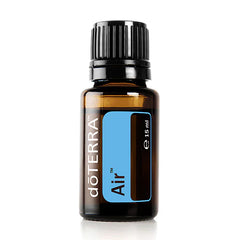
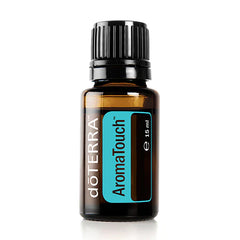
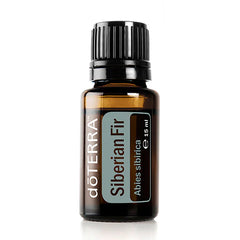

Common questions
What does Petitgrain smell like?
Green and softly floral, with a woody undertone — gentler and less sweet than Neroli, which comes from the blossom of the same tree.
How is Petitgrain related to Neroli?
Both come from the bitter orange tree, but Petitgrain is distilled from the leaves and twigs rather than the flower, which makes it a much more affordable oil.
What does it blend well with?
Woods such as Cedarwood deepen it, while a citrus oil like Wild Orange brightens it up in a diffuser blend.
Where does doTERRA source Petitgrain from?
Paraguay, where the bitter orange trees are cut back for their leaves and twigs up to twice a year.
Is Petitgrain a strong aroma?
No — it's one of the gentler oils in the range, better suited to a supporting role in a blend than as a stand-alone top note.